 Early Partner Proposal

Essex Police + imabi
Essex Community Intelligence Partnership
Creating a new source of community intelligence with Essex Police


Introduction
Essex Police has identified an interest in accessing new and complementary data sources to strengthen its understanding of communities, emerging issues and local priorities.
imabi proposes going further than simply supplying another dataset.
We propose working with Essex Police to create a new, continuously developing source of community intelligence – capturing experiences, perceptions, behaviours and concerns that may never enter traditional police systems.
imabi provides
Technology, engagement capability and intelligence tools.
Essex Police provides
Reach, community relationships and operational expertise.
Together, we test whether this can help Essex understand emerging problems earlier, target activity more effectively and measure whether interventions are making a difference.
The opportunity
Not everything communities experience becomes police data.
Traditional police datasets provide an essential picture of reported crime, incidents and demand. But they cannot provide the complete picture.
People may:
- experience anti-social or intimidating behaviour without reporting it
- change where or when they travel because they feel unsafe
- experience harassment that never becomes a formal report
- repeatedly encounter low-level behaviours that individually appear insignificant
- identify emerging problems before they generate significant police demand
- have very different perceptions of safety from those suggested by recorded crime
These are not replacements for police data. They are additional signals.
imabi can provide Essex Police with a structured way of capturing, analysing and understanding those signals.
From data source to intelligence
The objective is not simply to generate more data.
The objective is to create useful community intelligence.
Community signals
- Anonymous reporting
- Your Voice feedback
- Community surveys
- Perception of safety
- ASB and harmful behaviours
- Location-based concerns
- Demographic insight
- Business feedback
- Partner information
- Community engagement activity
Understanding
- Where are problems occurring?
- When are they occurring?
- Who is experiencing them?
- What behaviours are being reported?
- Are concerns increasing or decreasing?
- Are particular communities disproportionately affected?
- Is public perception different from recorded demand?
- Are patterns appearing across different data sources?
Action
- Local policing priorities
- Targeted community engagement
- Problem-solving activity
- Patrol and tasking decisions
- Partner interventions
- VAWG activity
- ASB action plans
- Public information campaigns
- Support and signposting
Measurement
- Did the problem reduce?
- Did public perception improve?
- Did behaviour change?
- Did the problem move elsewhere?
- Did engagement improve?
- Did the intervention work?
The proposal
A 12-month Early Partner programme between Essex Police and imabi.
imabi would provide the platform, community engagement capability, campaign support and intelligence analysis at no cost or a significantly reduced Early Partner rate during the agreed pilot period.
In return, Essex Police would actively participate in building the community audience, identifying priority questions and use cases, engaging communities and evaluating whether the resulting intelligence provides operational value.
This would not be a conventional technology pilot.
It would be a joint programme to establish whether a new community-generated data source can improve the intelligence available to policing and its partners.
What imabi provides

Technology
- Essex-specific community presence within imabi
- Your Voice
- surveys
- anonymous and identified reporting
- targeted communications
- geographic targeting
- audience groups and segmentation
- location-based engagement
- guides, support and signposting
- campaign capability
- community feedback loops
Intelligence
- geographic hotspots
- emerging trends
- recurring behaviours
- time-of-day analysis
- perception of safety
- demographic differences
- sentiment and community concerns
- cross-source patterns
- changes over time
- intervention measurement
Support
- implementation and configuration
- campaign design
- community engagement materials
- QR engagement routes
- dashboards and reporting
- regular analysis
- pilot evaluation
- ongoing development with Essex Police
Intelligence in action
Community signals are turned into practical, operational intelligence – dashboards that show what is happening, where and when, so resources can be targeted and interventions measured.
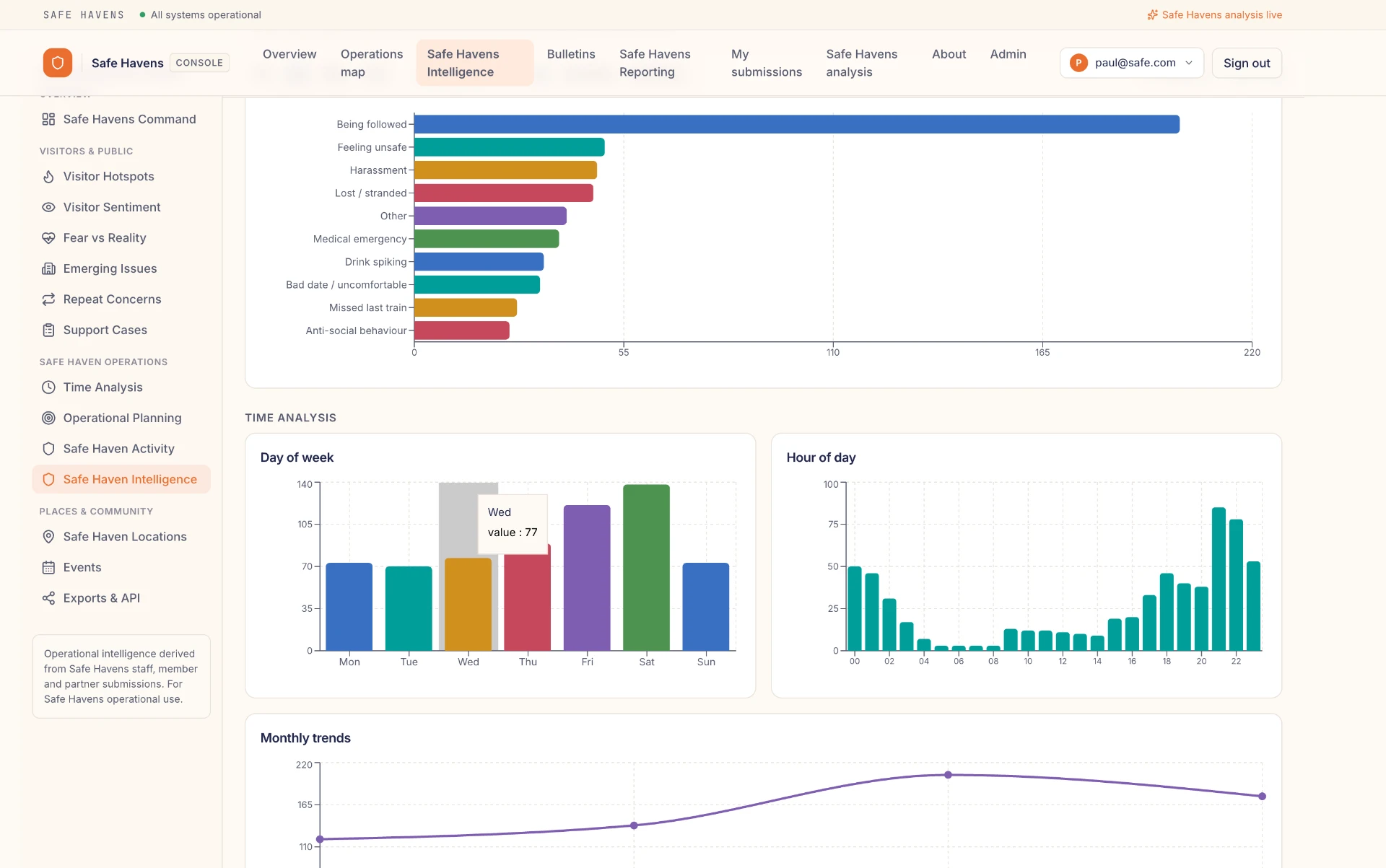
Example analytics view: incident categories, time-of-week analysis, hourly demand patterns and monthly trends.
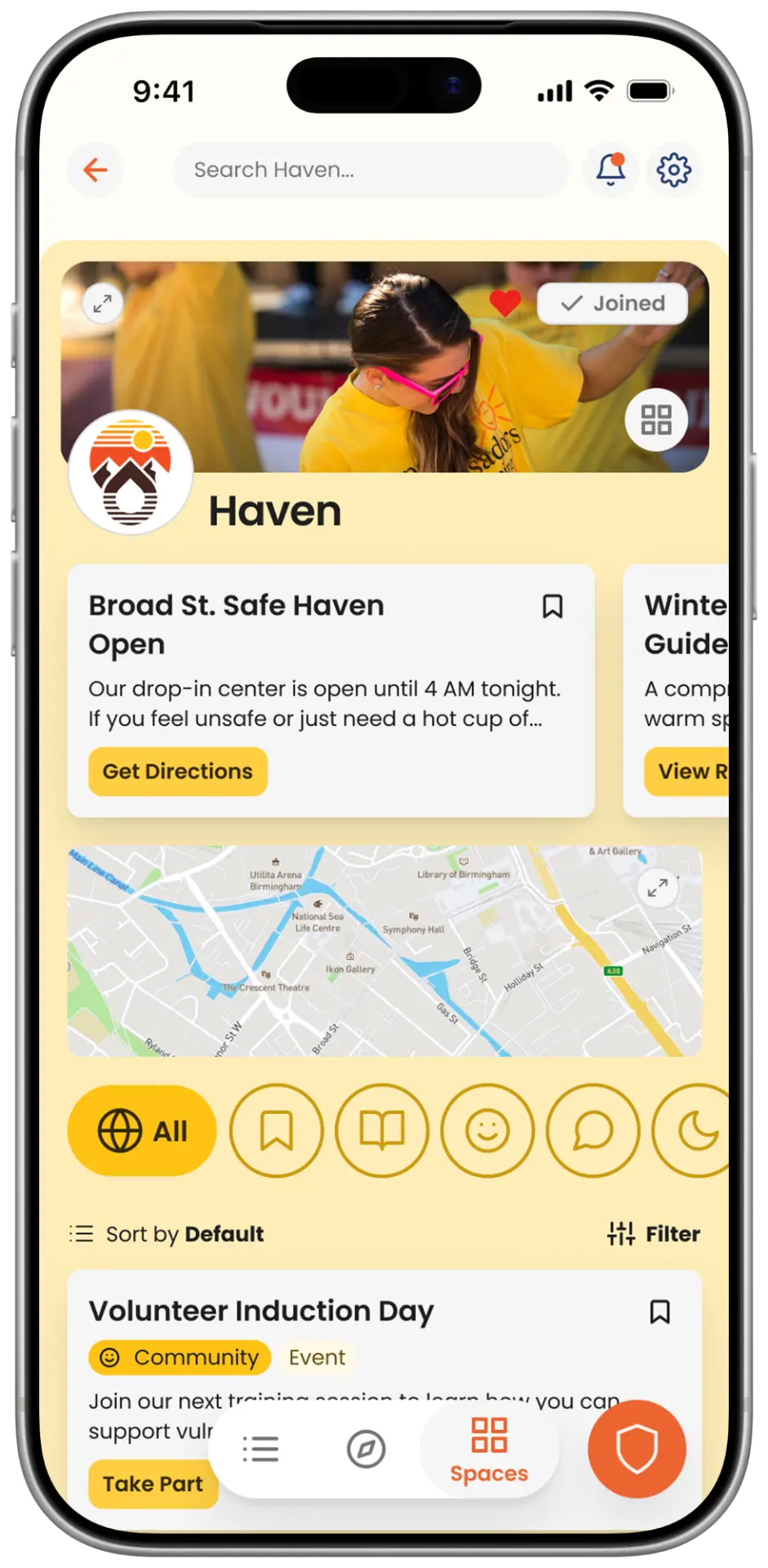
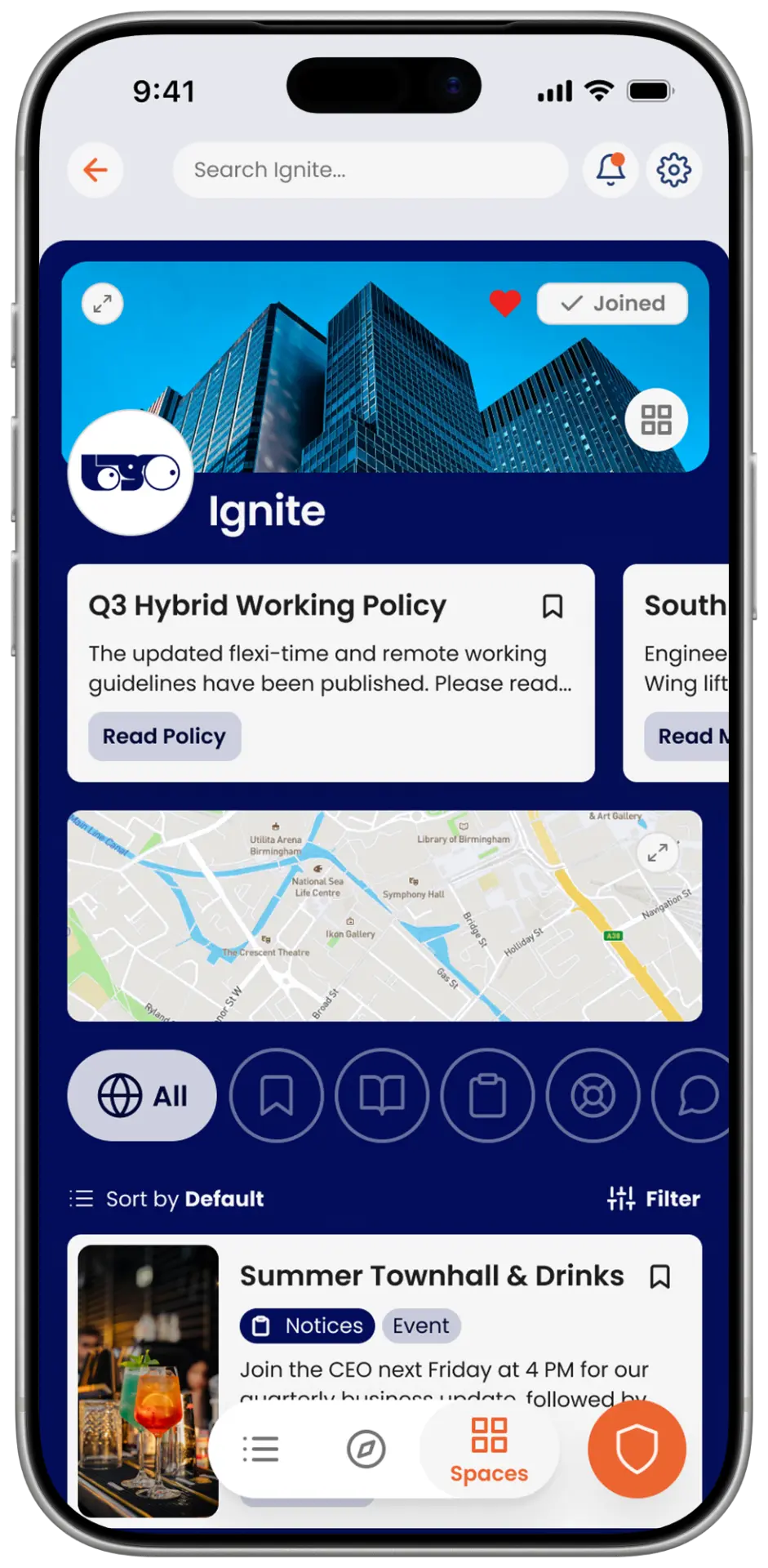
Communities already use imabi
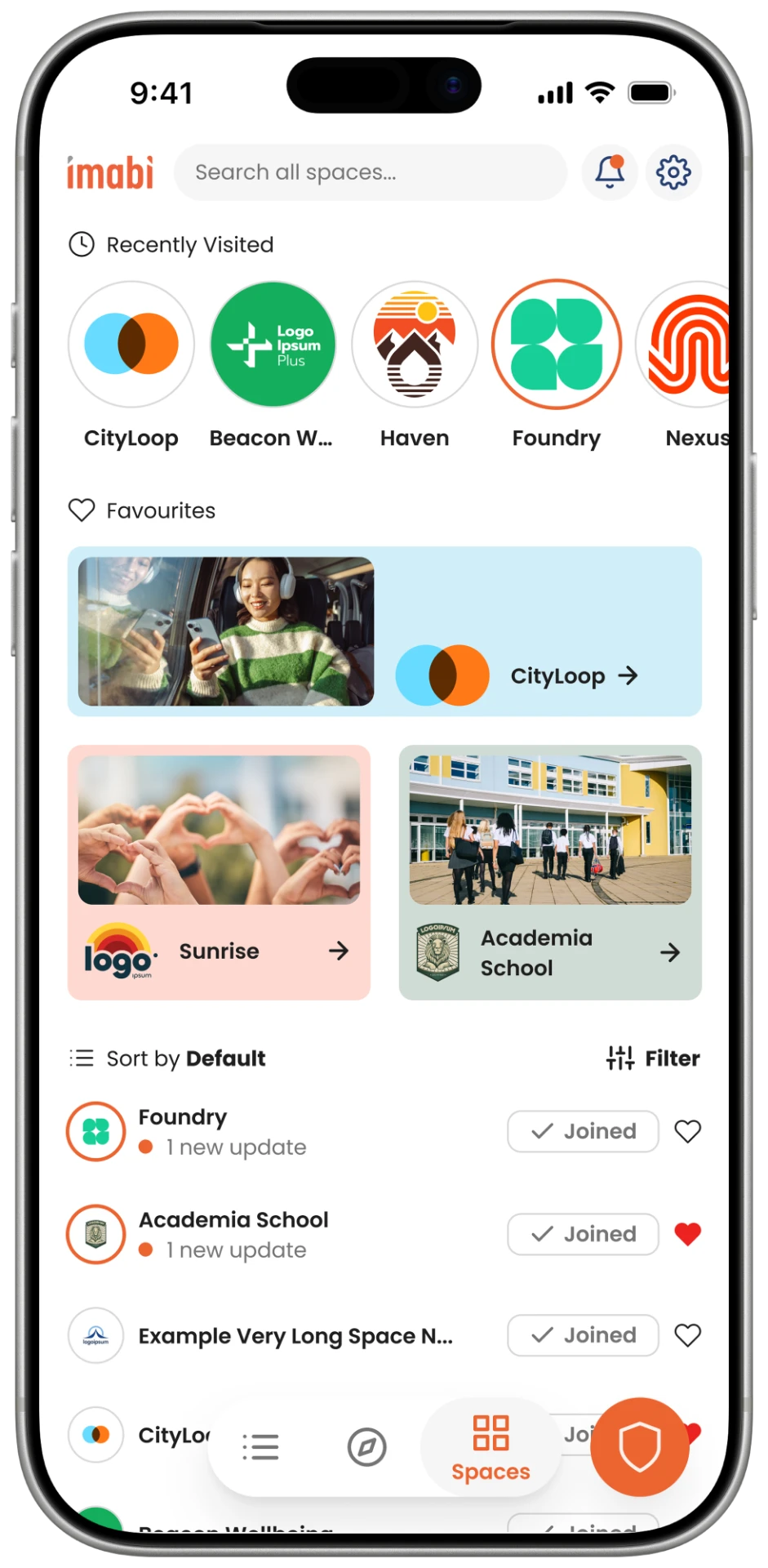
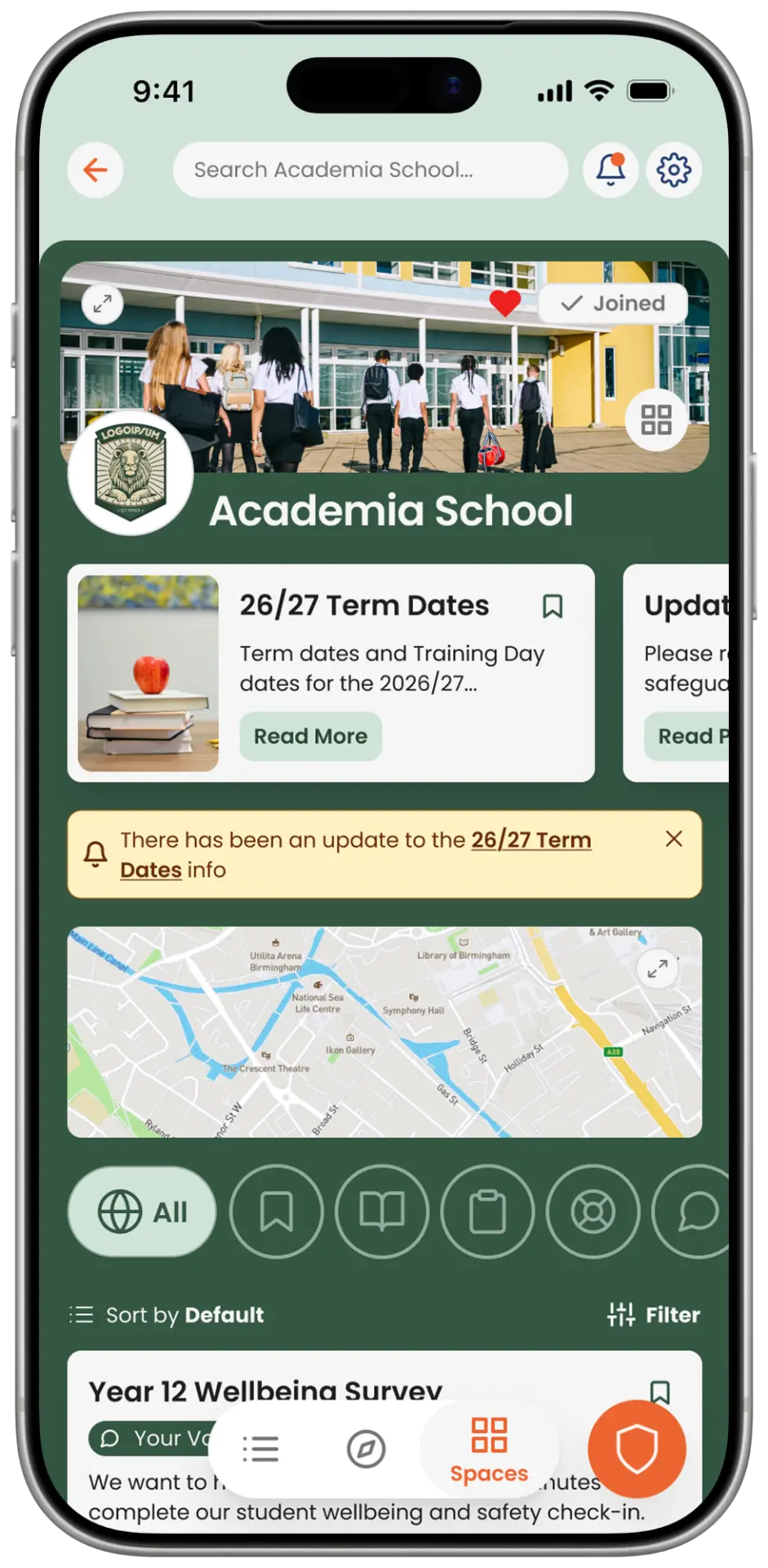
Spaces communities already trust – schools, employers, charities and local services
What we would ask from Essex Police
This partnership only works if communities participate.
We would therefore ask Essex Police to actively support engagement rather than simply make the technology available.
Official support
Position the initiative as an Essex Police-supported community intelligence programme.
This provides the public with confidence that their participation can contribute to real local policing and community-safety activity.
Communications
Support regular promotion through existing Essex Police channels, including website, social media, neighbourhood newsletters, community messaging, local policing pages, QR codes, posters and printed material, community events, and police stations and community locations.
The intention would be an ongoing engagement programme rather than a single launch campaign.
Neighbourhood officers and PCSOs
Enable neighbourhood officers and PCSOs to introduce the initiative during activity they already undertake: street engagement, neighbourhood patrols, community meetings, local events, problem-solving activity, targeted engagement, visits to businesses and door-to-door engagement.
Officers would not be expected to "sell an app". They would be asking communities to contribute to local understanding. For example:
"We're trying to understand what people are experiencing in this area, including things that don't always get formally reported. It takes around 30 seconds to tell us what you think."
Targeted door-to-door engagement
Where intelligence or participation data identifies an under-represented location or community, Essex Police could undertake targeted engagement as part of normal neighbourhood activity. For example:
- 1Low participation identified in a particular neighbourhood
- 2Relevant streets or communities identified
- 3Neighbourhood officers/PCSOs engage locally
- 4Residents access a short survey or Your Voice question using QR
- 5Responses immediately contribute to the community intelligence picture
This allows engagement resources to be directed where additional understanding is actually required.
Community and beat meetings
Use existing police engagement activity as an opportunity to collect structured community intelligence: beat meetings, street surgeries, community safety events, VAWG events, school and university engagement, business meetings, town-centre activity and night-time economy operations.
Simple QR participation could allow attendees to provide feedback during or after engagement.
Businesses
Engage businesses as an additional source of community intelligence: retailers, pubs and clubs, shopping centres, BIDs, security teams, transport operators, taxi and private-hire organisations and major employers.
Businesses frequently experience repeated low-level behaviour that may never become formal police demand. imabi can provide a simple mechanism for capturing those patterns.
Partners
Where appropriate, Essex Police would help introduce the programme to local authorities, Community Safety Partnerships, BIDs, universities and colleges, transport operators, VAWG organisations, business groups and voluntary and community organisations.
The ambition is to build a broader community safety picture rather than another police-only dataset.
Campaign-led intelligence
We would not rely solely on passive reporting.
imabi and Essex Police would run targeted engagement campaigns designed around agreed policing priorities. Examples could include:
How safe does Essex feel?
Establish a baseline understanding of perceived safety.
Where do people feel safe? Where do they feel unsafe? At what times? Why?
Women's safety
Understand women's experiences of public places.
Where do women alter their behaviour because they feel unsafe? What behaviours cause concern? What happens that never gets formally reported?
Anti-social behaviour
Identify recurring low-level behaviours affecting communities.
What is happening? Where? When? How frequently? What impact is it having?
Town centres & night-time economy
Understand experiences around:
- town centres
- pubs and clubs
- taxi ranks
- car parks
- transport interchanges
- walking routes
Transport safety
Understand where people feel vulnerable when:
- waiting
- walking to or from transport
- using stations
- using buses or trains
- travelling at night
Young people
Provide young people with a safe mechanism for sharing concerns and experiences that may not otherwise reach policing.
You said. We did. Did it work?
Engagement should create a visible feedback loop.
You said
People tell Essex Police that a particular location feels unsafe after 10pm.
We understood
imabi identifies repeated concerns involving the same location, time and behaviours. Police data and partner information provide additional context.
We did
Essex Police and partners agree an intervention. This could include patrols, environmental changes, transport activity, business engagement, communications or other problem-solving measures.
Did it work?
imabi returns to the community.
Do you feel safer? Are the same behaviours occurring? Has the problem reduced? Has it moved elsewhere?
This allows Essex Police and partners to measure community outcomes as well as operational activity.
Complementing existing police data
The pilot does not need to begin with complex integration into operational police systems. Phase One could use imabi community data alongside appropriate aggregated or open police information.
Recorded police data
- Crime
- Incidents
- ASB
- Demand
- Hotspots
- Local priorities
Community intelligence
- Experience
- Perception
- Behaviour
- Fear
- Avoidance
- Unreported concerns
- Business signals
- Partner signals
= A richer understanding of place
Future phases could introduce additional data sources and federation where there is a clear operational case and appropriate information governance.
Initial priority areas
We propose agreeing three to five priority use cases with Essex Police.
Potential areas include:
How success would be measured
Success should not simply be measured by downloads.
We propose evaluating:
Reach
- registered/active participants
- geographic coverage
- demographic representation
- communities reached
Engagement
- Your Voice contributions
- surveys completed
- reports and community signals
- repeat participation
- campaign engagement
Intelligence
- emerging issues identified
- recurring patterns identified
- previously under-represented issues
- differences between recorded demand and community perception
- geographic and demographic insights
Operational value
- intelligence used by Essex Police
- local priorities informed
- interventions initiated
- partner activity generated
- problems identified earlier
Outcomes
- reduction in reported community concern
- improvement in perceived safety
- changes in behaviour
- reduction in repeat issues
- changes following intervention
Governance
We propose a small joint working group.
- Essex Police executive sponsor
- Neighbourhood policing representative
- Intelligence/analysis representative
- Communications/community engagement representative
- imabi programme/product lead
- imabi intelligence/data lead
Monthly
- Operational review
- Campaign planning
- Engagement performance
- Emerging findings
Quarterly
- Intelligence review
- Outcomes
- Operational use
- Product development
- Lessons learned
12 months
Full evaluation
- What data did we generate?
- What did Essex Police learn that it did not already know?
- Did it influence policing or partner activity?
- Did communities experience measurable change?
- Is there a sustainable operational and commercial model?
The partnership
imabi contributes
- Technology
- Platform configuration
- Campaign design
- Community engagement capability
- Data capture
- Analysis and intelligence
- Dashboards and reporting
- Development
- Support
- Preferential Early Partner commercial terms
Essex Police contributes
- Operational expertise
- Community reach
- Official support
- Communications
- Neighbourhood officer and PCSO participation
- Community engagement
- Partner introductions
- Priority setting
- Operational feedback
- Evaluation
Why Essex?
Essex Police has already identified the value of accessing additional data sources. This partnership provides an opportunity to test something different:
Rather than purchasing another static dataset, Essex Police helps create a continuously developing community intelligence source.
The resulting capability would be shaped around real policing requirements and tested against real operational questions.
From community engagement to community intelligence
Recorded crime tells us what gets reported.
Community intelligence helps us understand what people are experiencing.
By combining the two, we have an opportunity to identify problems earlier, understand communities better, target interventions more effectively and measure whether those interventions actually make a difference.
Essex Police + imabi
An Early Partner proposal for community intelligence.